


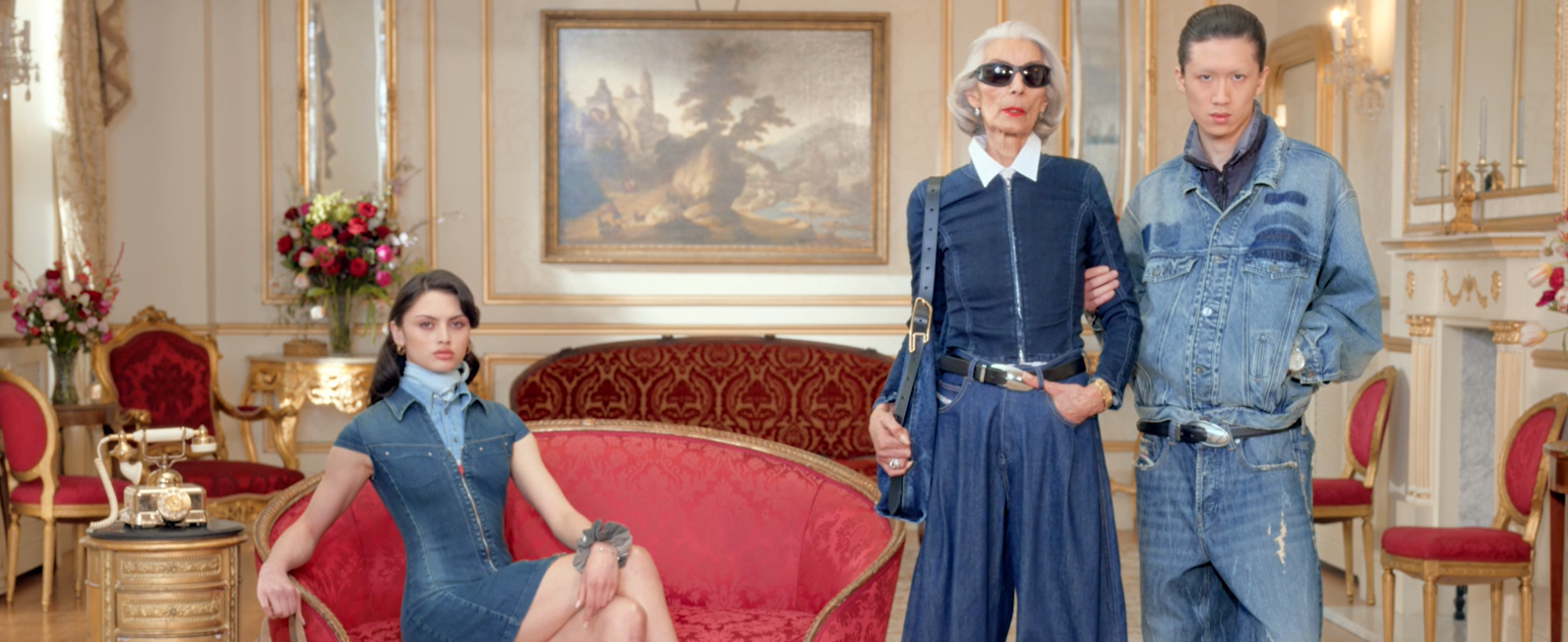
In the global fashion industry, few brands have built an identity as distinctive and disruptive as Diesel. Known primarily for denim but expanded far beyond it, the brand has positioned itself as a bold alternative to traditional luxury fashion houses. Instead of following trends, Diesel built its reputation on challenging them, combining edgy design, provocative marketing, and a strong lifestyle identity.
Founded in 1978 by Renzo Rosso, the brand originally focused on denim craftsmanship and quickly evolved into a global fashion label. Today, under the creative direction of Glenn Martens, Diesel continues to push boundaries in apparel, accessories, and lifestyle products.


A Product World Built Around Denim and Beyond
At its core, Diesel is still deeply rooted in denim culture, but its product range has expanded significantly into a full lifestyle offering. What makes its products special is not just the category, but the attitude behind them.
On the website, customers can find a wide selection of:
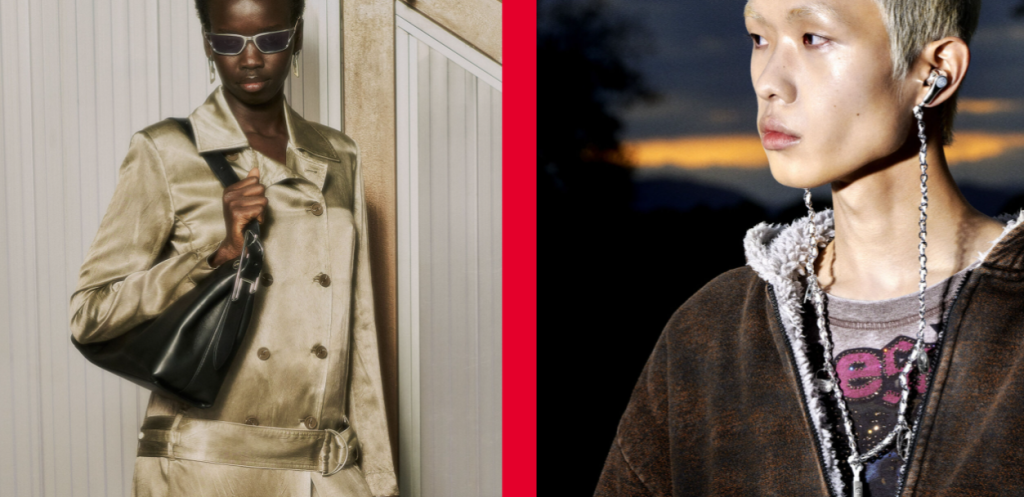
- Jeans and denim wear
- Jackets and outerwear
- T-shirts, hoodies, and knitwear
- Shoes and sneakers
- Bags and accessories
- Watches, fragrances, and jewelry
- Lifestyle and collaboration pieces
This mix shows how Diesel has evolved from a denim specialist into a full fashion ecosystem.
What You Can Find on the Diesel Website
The official site of Diesel is structured like a modern digital fashion store and lifestyle platform. It is designed not only for shopping but also for exploring seasonal collections and brand identity.
Visitors typically find:
- New arrivals and seasonal drops
- Men’s, women’s, and kids’ collections
- Denim fit guides
- Limited-edition capsules
- Brand collaborations
- Size and styling tools
- Store locator and services
- Sustainability initiatives
The experience is highly visual and editorial, reflecting how Diesel treats fashion as both product and culture.
What Makes Diesel Products Different
One of the most recognizable aspects of Diesel is its approach to design. Instead of minimal or traditional luxury aesthetics, the brand embraces boldness, experimentation, and irony.
Key product characteristics include:
- Distressed and experimental denim washes
- Strong streetwear influence
- Oversized and unconventional silhouettes
- Provocative graphics and branding
- High focus on texture and finish
- Limited-edition and runway-inspired pieces
This design philosophy makes Diesel stand out in a market often dominated by more conservative luxury aesthetics.
How Diesel Differs From Other Fashion Brands
While many fashion labels compete in denim and streetwear, Diesel differentiates itself through its attitude and branding strategy.
A disruptive identity instead of classic luxury
Rather than aiming for traditional elegance, Diesel positions itself as an alternative fashion voice, often challenging mainstream luxury norms.
Strong denim heritage
While many brands sell jeans, Diesel built its identity around pushing denim innovation, especially through washes, fits, and treatments.
Marketing that feels cultural rather than traditional advertising
The brand is known for bold campaigns that often use humor, irony, or shock value rather than standard fashion storytelling.
A full lifestyle expansion
Unlike brands that stay only within clothing, Diesel extends into fragrances, accessories, and collaborations that form a complete lifestyle offering.
The Evolution of Diesel in Modern Fashion
Over the years, Diesel has shifted from a denim-focused brand to a globally recognized fashion house. Its modern direction under Glenn Martens has helped reposition it as a label that resonates strongly with younger audiences and fashion-forward consumers.
Recent collections have embraced bold runway presentations, experimental textures, and unexpected silhouettes, reinforcing its place in contemporary fashion culture.
Why Diesel Products Stand Out in Today’s Market

What continues to make Diesel appealing is not just the clothing itself but the identity behind it. The brand offers:
- A rebellious fashion attitude
- Strong denim craftsmanship
- Continuous reinvention of style codes
- A balance between streetwear and luxury influences
- A distinct visual identity across all products
This combination helps Diesel remain relevant in a fast-moving fashion industry.
Conclusion
Diesel has built its reputation by refusing to follow conventional fashion rules. From its origins in denim craftsmanship to its current role as a global lifestyle brand, it continues to stand out through bold design, strong identity, and an unapologetic approach to fashion.
What makes it different is simple: instead of blending into traditional luxury fashion, Diesel consistently chooses to stand apart from it.