

Disclosure / Affiliate Notice:
As an Amazon Associate I earn from qualifying purchases.
Some links in this article may be affiliate links that earn me a commission at no extra cost to you.
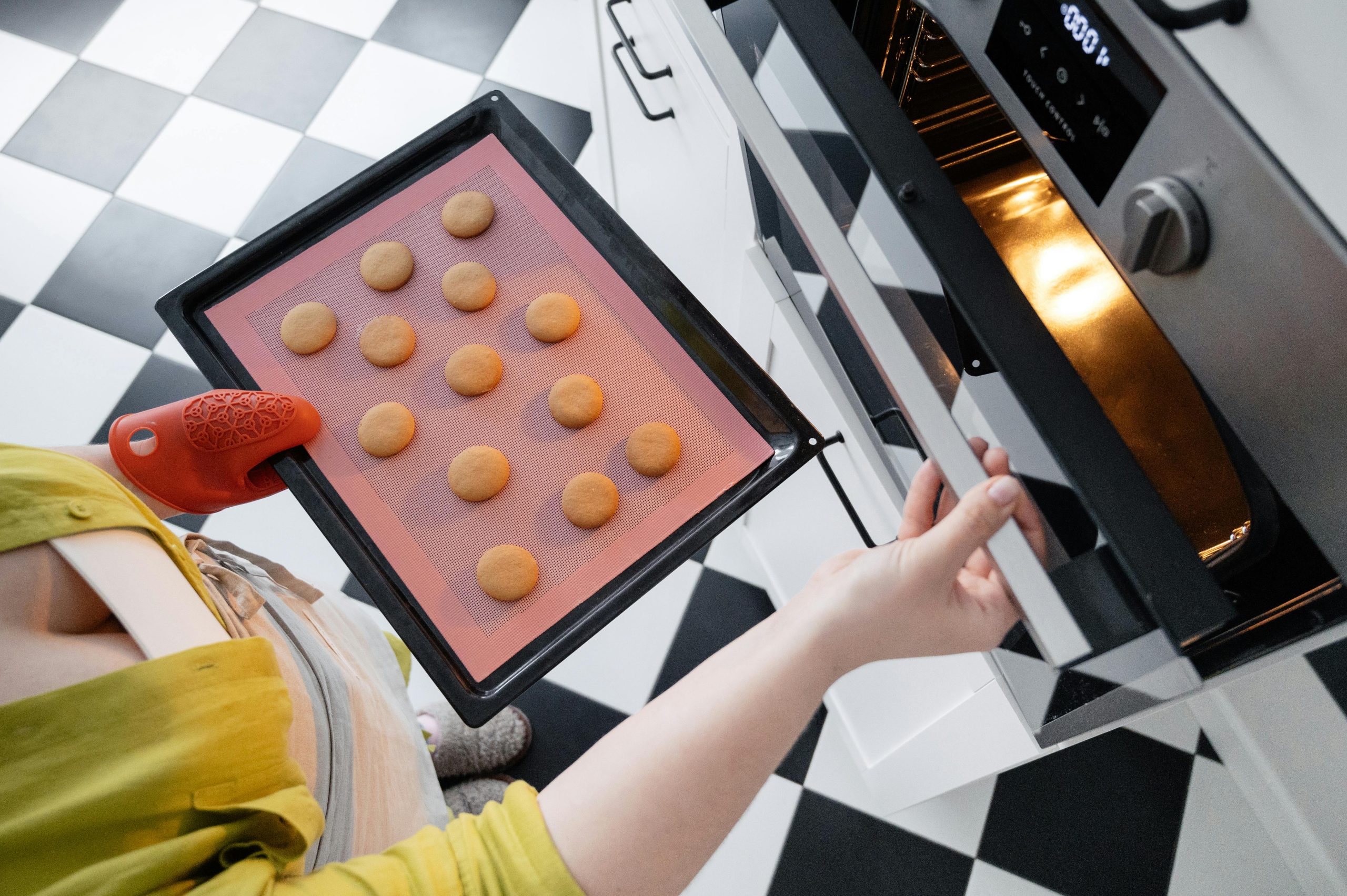
The first time I tried baking cookies without greasing the pan, I ended up with a tray full of crumbly messes sticking to the bottom. That was the moment I noticed a friend using a glossy, flexible sheet that seemed to prevent everything from sticking—silicone baking mats. They sit on your baking tray, offering a non-stick surface that can be reused hundreds of times, transforming the way you approach baking.
Related articles

How Silicone Mats Change the Baking Experience
Silicone baking mats are thin sheets made from food-grade silicone, sometimes reinforced with fiberglass. When placed on a baking tray, they create a consistent, non-stick layer that handles temperatures from roughly 220°F to 480°F (105°C to 250°C). Unlike parchment paper, which is single-use, these mats can be washed and reused repeatedly, making them both economical and environmentally friendly.
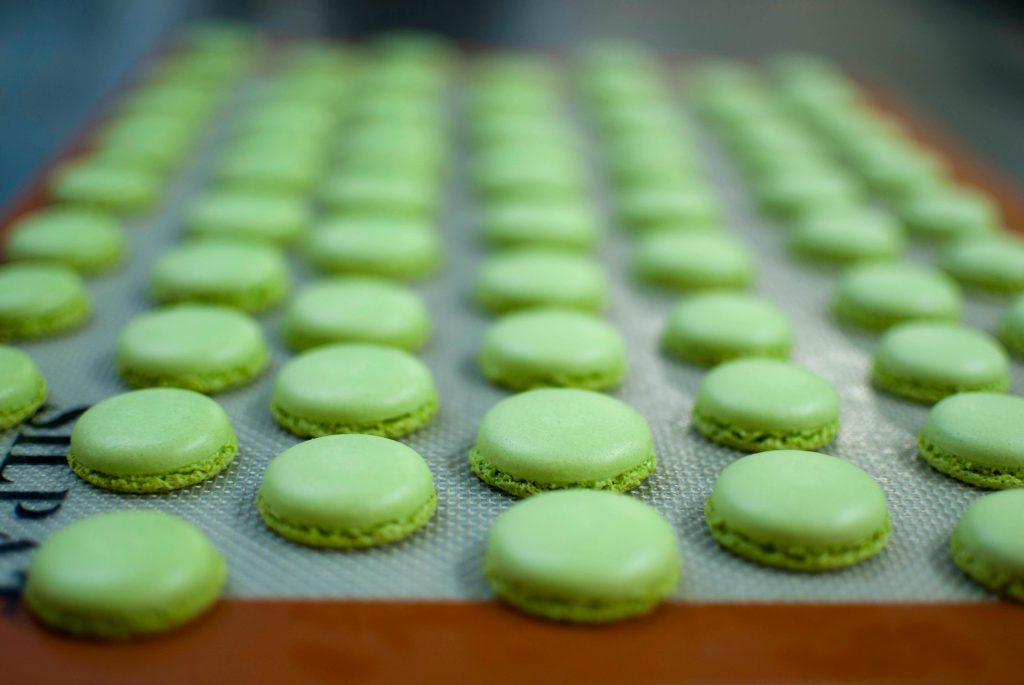
The difference is noticeable immediately. Croissants, cookies, or roasted vegetables release easily from the mat without scraping or excess oil. Heat distributes evenly across the surface, reducing the risk of burning at hotspots and producing a more uniform result.
Evaluating Durability and Maintenance
Not all mats are created equal. Thicker mats tend to be more durable but may take slightly longer to heat. Mats reinforced with fiberglass maintain shape better over time, while purely silicone mats are more flexible but may stretch or wrinkle. A good test is to gently flex the mat before baking—if it springs back easily, it will likely retain its shape for hundreds of uses.
Cleaning is straightforward: rinse with warm soapy water or place in the dishwasher. Avoid using abrasive scrubbers, which can damage the surface, and steer clear of sharp knives directly on the mat. Over time, a well-maintained mat might develop a slight patina of baked-on oils, which doesn’t harm performance and can even enhance non-stick properties.
Common Mistakes to Avoid
A surprising number of bakers misuse silicone mats, which can reduce lifespan. For example:
- Using them under broilers or on open flames can cause warping or melting.
- Cutting directly on the mat leaves permanent marks.
- Storing mats folded rather than rolled can lead to creases that affect even baking.
Understanding these limitations prevents frustration and protects your investment.
Choosing the Right Mat for Your Needs
Think about your typical baking habits. If you mostly make cookies or pastries, a standard 11 x 16-inch mat fits most sheet pans. For roasting vegetables or baking pizza, a larger, more rigid mat offers stability. Some mats are color-coded for specific tasks, like sugar work or candy-making, which require higher temperature tolerances.
The choice of thickness, flexibility, and reinforcement affects usability. While a more flexible mat can be easily stored, a firmer mat might slide less on a tray, giving you better control when placing or removing baked goods.
Everyday Benefits in Action
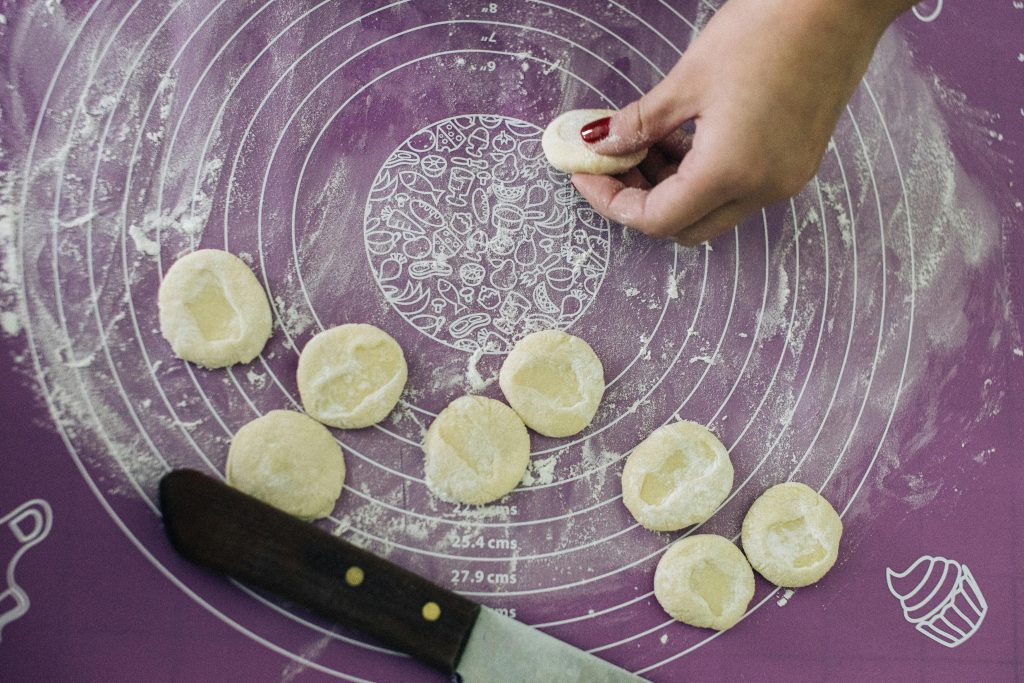
A simple example: spreading cookie dough across a mat is easier than on a lightly greased pan. The dough slides without sticking, spacing between cookies is consistent, and cleanup is immediate. Over time, you realize the mat’s consistent performance reduces stress, mess, and wasted ingredients—turning baking from a chore into a smoother, more predictable process. Some users even repurpose mats for rolling dough or chocolate work, appreciating the non-stick versatility.
Silicone mats aren’t magical, but they respond reliably when you respect their limits. By choosing a mat suited to your cooking style and maintaining it properly, you create a reusable, even-heating surface that simplifies baking while reducing waste.
👉 silicone baking mats for easy cleanup (affiliate link)
Disclosure / Affiliate Notice:
As an Amazon Associate I earn from qualifying purchases.
Some links in this article may be affiliate links and can earn me a commission at no extra cost to you.